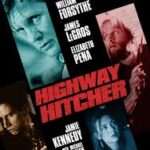
 Released during the late wave of gritty direct-to-video thrillers that flooded cable television and video store shelves in the 1990s, The Pass — also known as Highway Hitcher in some releases — is one of those strange forgotten movies that developed a small cult following almost entirely through late-night discovery.
Starring William Forsythe, the film blends psychological thriller elements with the lonely paranoia of highway horror. It belongs to a very specific era of filmmaking when low-budget crime thrillers thrived in the booming home-video market. These movies rarely received major theatrical attention, but they became staples of VHS rentals, cable channels, and bargain-bin DVD collections.
What makes The Pass memorable is not massive action scenes or expensive production values. Instead, the film survives because of its atmosphere — dusty highways, isolated landscapes, unstable characters, and the constant sense that violence could erupt without warning.
And at the center of all of it is William Forsythe, one of the great underappreciated character actors of his generation.
William Forsythe: Master of Dangerous Characters
By the late 1990s, William Forsythe had already built a reputation for playing volatile, intimidating, unpredictable men.
Unlike traditional Hollywood leading men, Forsythe specialized in intensity. He possessed a rough physical presence and a kind of simmering menace that made audiences uneasy even when his characters appeared calm. Throughout his career, he became one of the most recognizable “that guy” actors in American film and television.
He appeared in projects ranging from:
- Raising Arizona
- Dick Tracy
- Out for Justice
- The Rock
Forsythe excelled at portraying characters who felt dangerous because they seemed emotionally unstable. He could switch from calm conversation to explosive violence almost instantly.
That quality made him perfect for thrillers like The Pass.
The Plot: A Dangerous Encounter on the Open Road
Like many highway thrillers, The Pass revolves around strangers crossing paths in isolated territory far removed from ordinary safety and civilization.
The story follows travelers whose lives become entangled with increasingly threatening individuals along remote desert highways and lonely roadside locations. What begins as a routine journey slowly transforms into psychological confrontation and survival horror.
The highway itself becomes central to the film’s tension.
There are long stretches of emptiness:
- Desert roads
- Gas stations
- Motels
- Isolated diners
- Empty landscapes
These environments create the feeling that help is impossibly far away.
The movie plays heavily with mistrust. Characters are forced into uneasy interactions where nobody feels entirely safe or honest. As the tension escalates, the film leans into themes common to late-1990s thrillers:
- Isolation
- Moral ambiguity
- Sudden violence
- Psychological manipulation
- Desperation
The 1990s Direct-to-Video Thriller Boom
Part of what makes The Pass interesting today is how perfectly it represents the direct-to-video thriller era.
During the 1990s, video rental stores became massive entertainment hubs. Audiences consumed enormous quantities of inexpensive thrillers, crime dramas, and horror films that bypassed theaters entirely.
Studios and independent producers realized they could make profitable genre movies aimed directly at:
- VHS rental stores
- Premium cable channels
- Late-night television audiences
This created an entire ecosystem of gritty, mid-budget thrillers starring respected character actors rather than major A-list celebrities.
The films often shared common ingredients:
- Desert settings
- Crime plots
- Dangerous drifters
- Corrupt cops
- Motels and highways
- Sudden brutality
- Psychological tension
The Pass fits squarely within this tradition.
Highway Horror and American Anxiety
Road thrillers have always tapped into a uniquely American fear.
The United States is built around highways. Endless roads symbolize freedom, independence, escape, and movement. But they also create vulnerability. Once someone leaves populated areas, isolation becomes frighteningly real.
By the 1990s, American crime thrillers increasingly explored this darker side of mobility.
Movies like:
- Kalifornia
- Breakdown
- Joy Ride
all reflected paranoia surrounding strangers encountered on the road.
In The Pass, the highway becomes a trap rather than liberation.
The further characters travel, the more disconnected they become from normal society and protection. Every encounter carries uncertainty. Every stranger might be dangerous.
This atmosphere gives the film its uneasy tone.
Forsythe’s Performance
What elevates The Pass above many forgettable direct-to-video thrillers is Forsythe’s screen presence.
Even in weaker films, William Forsythe rarely gives a boring performance.
He brings unpredictability to scenes simply through body language and vocal delivery. His characters often feel like people barely containing violence beneath the surface.
That unpredictability becomes crucial in thrillers.
Audiences fear characters who cannot be easily understood. Forsythe excelled at creating men who seemed emotionally damaged, impulsive, and impossible to control.
In The Pass, he uses that energy to keep viewers constantly uneasy.
The audience never fully relaxes because the film itself never feels emotionally stable.
The Look and Feel of the Film
Like many late-1990s thrillers, The Pass has a gritty visual texture that modern digital filmmaking often lacks.
The movie embraces:
- Bleached desert colors
- Harsh sunlight
- Empty roads
- Dusty locations
- Cheap motels
- Flickering neon
The atmosphere feels sweaty, lonely, and slightly grimy.
This aesthetic became common in lower-budget thrillers because practical real-world locations were cheaper than elaborate sets. Ironically, that limitation often made the films feel more authentic.
The world of The Pass looks lived-in and dangerous.
There is very little glamour.
Why Forgotten Thrillers Develop Cult Followings
Movies like The Pass often survive because cult audiences appreciate atmosphere more than perfection.
The film is not a polished Hollywood blockbuster. It contains the rough edges common to many independent thrillers of its era:
- Uneven pacing
- Low-budget production
- Sparse locations
- Minimalist storytelling
But those same qualities can create intimacy and realism.
Cult film fans often enjoy discovering forgotten movies that feel personal, strange, or slightly offbeat compared to studio productions. Direct-to-video thrillers from the 1990s developed especially loyal audiences because they occupied a unique middle ground:
- Too gritty for mainstream prestige cinema
- Too serious for campy B-movie horror
- Too small to become major hits
Yet they frequently contained fascinating performances from talented actors.
The VHS and Cable TV Legacy
For many viewers, The Pass is inseparable from the experience of discovering random thrillers on cable television during the 1990s or early 2000s.
Before streaming algorithms controlled viewing habits, people encountered movies accidentally:
- Late-night cable broadcasts
- VHS rentals based on cover art
- Video store recommendations
- Bargain-bin discoveries
This randomness gave films like The Pass a strange mystique.
A viewer might stumble across the movie at midnight, halfway through, while channel surfing. The desert atmosphere, tense dialogue, and William Forsythe’s unsettling performance would create an impression even if the viewer never caught the title.
Many forgotten thrillers from this era survive mostly through memory and cult rediscovery.
A Snapshot of 1990s Thriller Cinema
Looking back now, The Pass (Highway Hitcher) feels like a time capsule from a very specific moment in American genre filmmaking.
It belongs to an era when:
- Mid-budget thrillers flourished
- Character actors dominated cable cinema
- VHS rentals shaped movie culture
- Gritty realism mattered more than CGI spectacle
The movie may never achieve mainstream classic status, but it represents something increasingly rare: a stripped-down psychological thriller built around atmosphere, tension, and performance rather than franchise spectacle.
And William Forsythe’s presence gives it a rough authenticity many similar films lacked.
The Lonely Road Still Works
The reason highway thrillers continue resonating is simple.
Being trapped on an isolated road with dangerous people remains terrifying.
Technology may have evolved, but the psychological fear still works:
- No escape
- No witnesses
- Miles from help
- Unpredictable strangers
- Endless darkness ahead
The Pass understands that fear completely.
It transforms the open highway from a symbol of freedom into something lonely, unstable, and dangerous.
And somewhere in the middle of all that desert emptiness stands William Forsythe — intense, unpredictable, and perfectly suited for the strange forgotten world of late-1990s roadside thrillers.
This post has already been read 663 times!


